
Tricky Puzzle: Fun Brain Story
BramesCasual
3.562.00 Reviews
- Version
- 0.9.1
- Installs
- 10.00M
- Age Rating
- Teen
Screenshots
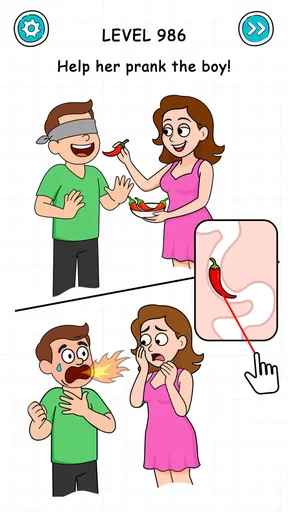
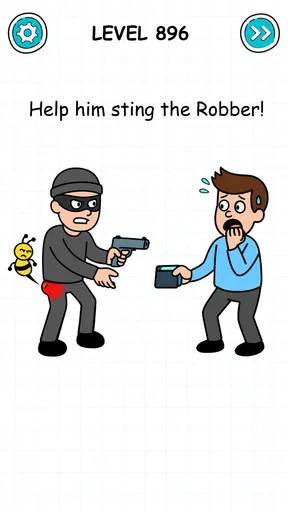
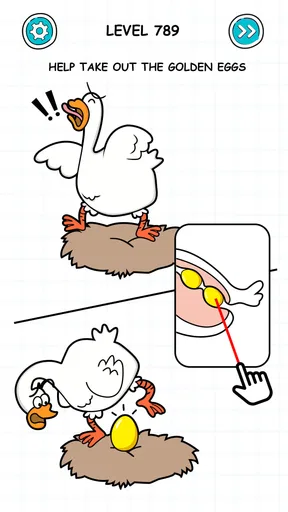
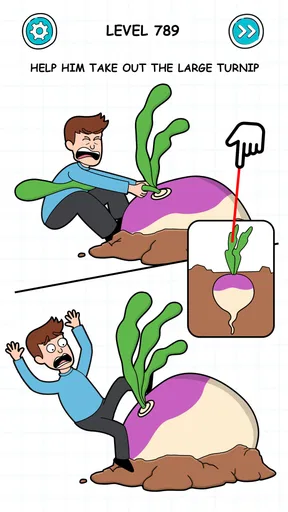
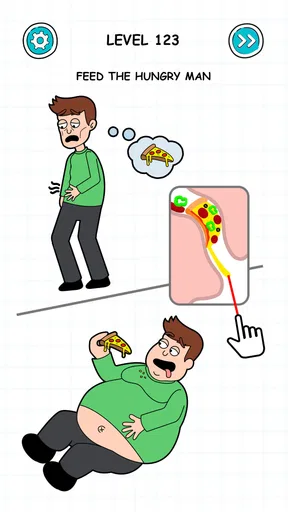
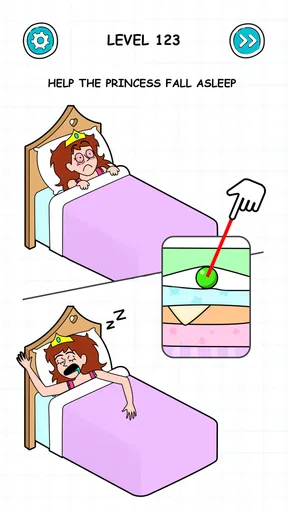
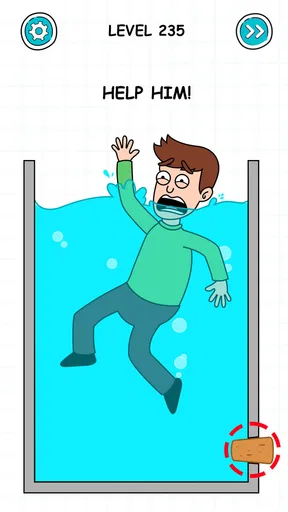
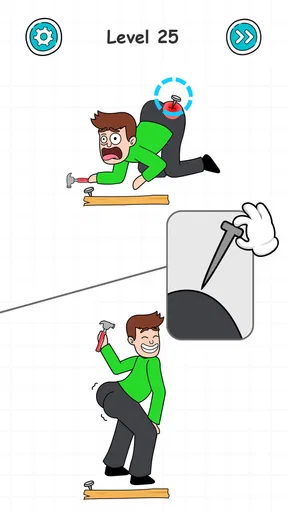
Our Review of Tricky Puzzle: Fun Brain Story
 Analysis by Appyee
When I choose a casual puzzle game, I want more than a string of riddles: I want challenges that fit into an ordinary day, give me a reason to think differently, and don’t turn every pause into a commitment. Tricky Puzzle: Fun Brain Story aims for that mix. Its premise is playful, but the decision for me is whether its everyday situations and story-led puzzles offer enough variety for the kind of player I am.
I’d consider it when I want a short mental detour rather than a deep strategy session. It is a free casual game from Brames, with a Teen content rating, and its current version is 0.7.2. The game has an average rating of 3.7 from around 17,000 ratings and more than 10 million installs. Those figures suggest that it has reached a broad audience, but they don’t tell me whether its particular style will suit you; the way it handles puzzle variety and friction matters more.
First Impressions and Gameplay
Upon launching Tricky Puzzle: Fun Brain Story, you're greeted with a colorful and vibrant interface that screams "fun." The design is intuitive, making it easy to navigate, even for those who might not be so tech-savvy. The game kicks off with a quick tutorial that explains the basics, and before you know it, you're diving into the first puzzle.
The puzzles themselves are a delightful mix of logic, creativity, and sometimes pure silliness. One minute you're solving a riddle, and the next, you're trying to figure out why a chicken would cross the road in a particular way. It's this blend of unpredictability and logic that keeps the game fresh and exciting.
How to decide if its puzzle style suits you
The key question is whether you enjoy being surprised by a puzzle’s premise. This isn’t presented as a single, steadily deepening logic problem; the appeal is the shift between familiar scenarios and unexpected answers. I find that approach better for a relaxed break than for a focused session in which I want to master one set of rules and measure improvement over time.
That distinction also helps set expectations about difficulty. A funny setup can invite lateral thinking, but it can also make the intended answer feel less obvious than a conventional number or grid puzzle. If I’m stuck, I first reread the wording and look for an assumption I’ve made about what the scene is asking. That small pause can be more satisfying than tapping around at random, and it helps me decide whether I’m genuinely solving the riddle or just guessing.
Unique Features and Challenges
What sets this app apart from other puzzle games is its storytelling element. Each puzzle is part of a larger narrative, pulling you in and urging you to solve "just one more" to see what happens next. The game developers have done a stellar job at weaving humor and intrigue into each level.
One of the standout features is the hint system. It’s designed to give you just enough of a nudge without completely spoiling the challenge. There were moments where I was stumped, but a strategic hint here and there kept the momentum going.
The variety of puzzles is impressive. From math challenges to visual brain teasers, there's something for every kind of puzzle enthusiast. And let's not forget the clever use of device features. Some puzzles require you to shake or tilt your phone, adding a fun physical layer to the mental gymnastics.
Small-session play and practical trade-offs
For a realistic everyday use, I can see myself opening it while waiting for a takeaway order or sitting through a short gap before an appointment. A story thread gives that brief session a sense of direction: I’m not only solving an isolated brainteaser, but also curious about what the next scene will do. The trade-off is that a narrative can make stopping feel less natural than in a game built around independent rounds. If I have only a moment, I’d finish the puzzle I’m on before putting the phone away rather than assume every interruption will land neatly between challenges.
The motion-based puzzles call for a little more awareness than a standard tap-and-swipe game. I’d save those for when I’m seated and have room to move the phone, not when I’m walking, carrying a drink, or using the game in a crowded place. That is a modest but useful distinction: the physical interactions can make a riddle more memorable, yet they are not always convenient in the very short sessions that otherwise suit casual games.
The hint system is most useful when I treat it as a pacing tool, not as a way to rush through every level. I’d first inspect the scene, test a sensible interpretation, and only then use a nudge if I’m no longer making progress. That keeps the answer from feeling handed to me. Players who prefer to solve everything unaided may want to avoid hints entirely; those who mainly want to follow the story can use them to prevent one stubborn puzzle from stopping the whole session.
Graphics and Sound
The visuals in Tricky Puzzle: Fun Brain Story are charmingly cartoonish, and the animations are smooth, which adds to the overall enjoyment. The sound effects and background music are light-hearted and perfectly complement the playful vibe of the game. I found myself chuckling at some of the quirky sound bites that accompany certain puzzles.
That playful presentation is part of the puzzle experience rather than a reason to expect a serious brain-training tool. If I want calm concentration, I would keep the sound low or off and focus on the visual clues. If I’m playing casually at home, the comic effects help sell the odd situations. The same exaggerated tone may not work for someone who prefers minimalist boards, quiet deduction, or a more restrained atmosphere.
Where other casual puzzle games may fit better
Compared with the usual alternatives, this game occupies the story-and-surprise side of casual puzzles. A traditional Sudoku-style game is a better fit if I want stable rules, repeatable practice, and a clear sense of refining a method. Word puzzles suit me more when I’m specifically in the mood for vocabulary. A physics or object-manipulation puzzler may be preferable if I want every challenge to revolve around one consistent kind of interaction. Here, the attraction is the changing premise and the possibility that the obvious interpretation is not the useful one.
That variety is a strength, but it can also make the experience uneven for a player with a narrow preference. Someone who loves visual riddles might be less interested when the next challenge leans on a different kind of thinking; someone who enjoys variety may welcome precisely that change. I would choose it for light, inventive problem-solving, not as a replacement for a dedicated logic trainer or a game whose main draw is a continuous, complex plot.
Who is likely to enjoy it—and who may not
I’d recommend giving it a try if you like playful brainteasers, don’t mind switching between styles, and want a casual game that can occupy a spare moment without asking you to learn a large rulebook. It can also work well as a shared prompt: let a friend look at a puzzle before revealing a hint and compare how each of you interprets the scene. That makes the humor and unexpected angles part of the conversation, not just the solution.
I’d skip it if you need a puzzle game with a predictable difficulty curve, a quiet presentation, or a single mechanic to practise in depth. It may also be a poor match if you dislike lateral-thinking questions where the answer depends on noticing an unusual detail or reconsidering the setup. In those cases, a conventional number, word, or board puzzle is likely to feel fairer and more focused.
For younger players, the Teen rating is worth taking into account rather than assuming that a cartoon style automatically means the game is aimed at children. For anyone deciding whether to spend money, the game is free to start, with in-app purchases listed at $1.99 per item. I’d play first and judge whether the core puzzle style holds my interest before considering any purchase; the price of an item alone does not tell me what a particular player will find worthwhile.
Replay Value and Engagement
One of the things I love about this app is its replay value. Even after solving a puzzle, you might want to revisit it just to see if you can tackle it in a different way or share it with friends. The social sharing feature is a neat touch, allowing you to challenge friends and family to beat your score or time.
The game also updates regularly with new puzzles and storylines, ensuring that players always have fresh content to look forward to. This keeps engagement high and boredom at bay.
What to expect before making it a regular game
The game was released on July 22, 2024, and the current version is 0.7.2. It requires Android 7.0 or later. If I’m considering a switch from another puzzle game, I’d make that choice based on the kind of thinking I want day to day, not on the hope that every casual puzzler will feel interchangeable. Moving to this one means leaning into its changing scenarios and playful tone; keeping a more conventional alternative makes sense if I value consistent rules or a familiar daily routine more.
One practical way to test the fit is to play a few sessions at different moments: once when I’m relaxed, and once when I have only a short break. If the unexpected premises feel enjoyable in both situations, the game is doing its job for me. If I find myself wanting to skip the story or wishing every challenge used the same logic, that is a useful sign to return to a more focused puzzle format.
I also wouldn’t judge it solely by whether I solve each puzzle quickly. A short game can still be worthwhile when a challenge makes me rethink an assumption, but repeated frustration is different from satisfying difficulty. Using a hint sparingly, taking a break, and coming back with fresh eyes are better tests of whether a puzzle is engaging than tapping through guesses until the answer appears.
Final Thoughts
All in all, Tricky Puzzle: Fun Brain Story is a delightful addition to the puzzle genre. It’s perfect for both quick play sessions and longer, more immersive gaming marathons. Whether you’re a seasoned puzzle solver or a casual gamer looking for something to pass the time, this app has something to offer.
My recommendation is conditional but clear: try it if you want humorous, varied challenges and enjoy questioning what a familiar scene is really asking you to do. Choose a more traditional puzzle game if reliable rules, focused practice, or a quieter style matter more to you. I’d give this one a chance for a low-pressure change of pace, while keeping expectations grounded: its appeal is the playful twist, and that twist is not for every puzzle fan.
Verdict
Strengths of Tricky Puzzle: Fun Brain Story
- Engaging puzzles boost cognitive skills.
- Visually appealing with vibrant graphics.
- Varied levels keep gameplay fresh.
- Intuitive controls enhance user experience.
- Offline play available for convenience.
Limitations of Tricky Puzzle: Fun Brain Story
- Ads can disrupt gameplay flow.
- Some puzzles feel repetitive.
- In-app purchases may be pricey.
- Occasional lag on older devices.
- Limited hints can be frustrating.
Similar Picks in This Category
View All
My Talking Angela
Outfit7 Limited4.2

My Talking Tom
Outfit7 Limited4.3

Pou
Zakeh4.2

My Talking Tom 2: Pet Game
Outfit7 Limited4.3

Candy Crush Saga
King4.6

Bridge Race
Supersonic Studios LTD4.1
Frequently Asked Questions
What is Tricky Puzzle: Fun Brain Story all about?
Tricky Puzzle: Fun Brain Story is a unique puzzle game designed to challenge your mind with a series of clever puzzles and brain teasers. Each level presents a different scenario that requires out-of-the-box thinking to solve. It's perfect for those who enjoy testing their problem-solving skills in a fun and engaging way.
Is Tricky Puzzle: Fun Brain Story suitable for all ages?
Yes, Tricky Puzzle: Fun Brain Story is designed to be accessible to players of all ages. The puzzles are crafted to be challenging yet solvable, making it a great family game. The content is kid-friendly, ensuring a safe and enjoyable experience for younger audiences as well.
What are the main features of Tricky Puzzle: Fun Brain Story?
The game features a wide variety of puzzles that test logic, creativity, and attention to detail. It includes vibrant visuals, intuitive controls, and engaging storylines. Players can enjoy daily challenges and unlock new levels as they progress, keeping the experience fresh and exciting.
Does Tricky Puzzle: Fun Brain Story require an internet connection to play?
No, Tricky Puzzle: Fun Brain Story can be played offline, making it a great option for entertainment on the go. However, some features, such as leaderboards or daily updates, may require an internet connection to access. This allows players to enjoy the game anytime, anywhere.
Are there in-app purchases in Tricky Puzzle: Fun Brain Story?
Yes, the game offers optional in-app purchases that enhance the gaming experience. While the core game is free to play, players can purchase hints or unlock certain levels. These purchases are entirely optional and not necessary to complete the game, allowing players to enjoy it fully without spending money.
Play our best games!


